Project overview
Warehouses are large enclosed spaces with little control over their airflow, so natural ventilation is critical to keeping them safe and comfortable. Where the air does not reach, heat and contaminants build up; where the ducts fight the flow, energy is wasted.
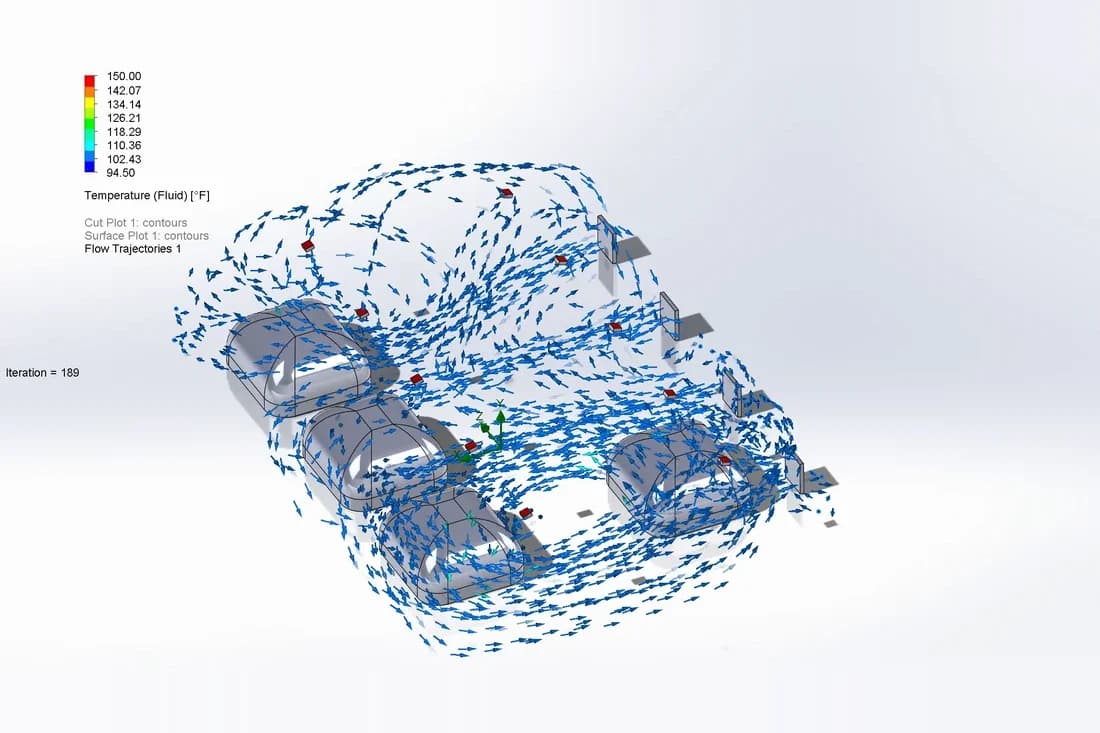
In this project we ran a heating, ventilation and air conditioning (HVAC) simulation of a warehouse with computational fluid dynamics (CFD). The aim was to make the natural ventilation more effective and the airflow better distributed, improving comfort and air quality while relying less on forced mechanical ventilation. We studied the air velocity, pressure and turbulence through the duct system to find stagnant or poorly ventilated regions and design changes to fix them.
Objectives
How we set up the warehouse CFD model
| Setting | Value | Notes |
|---|---|---|
| Simulation | Steady RANS | Turbulent airflow through the ducts and warehouse |
| Turbulence model | Standard k-ε | A robust choice for internal ventilation flows |
| Geometry | Multi-duct system | Main ducts, diffusers and small connecting ducts |
| Air inlet | Natural vents | Fresh air entering the warehouse |
| Air outlet | Ceiling ducts | Air drawn out through the roof duct network |
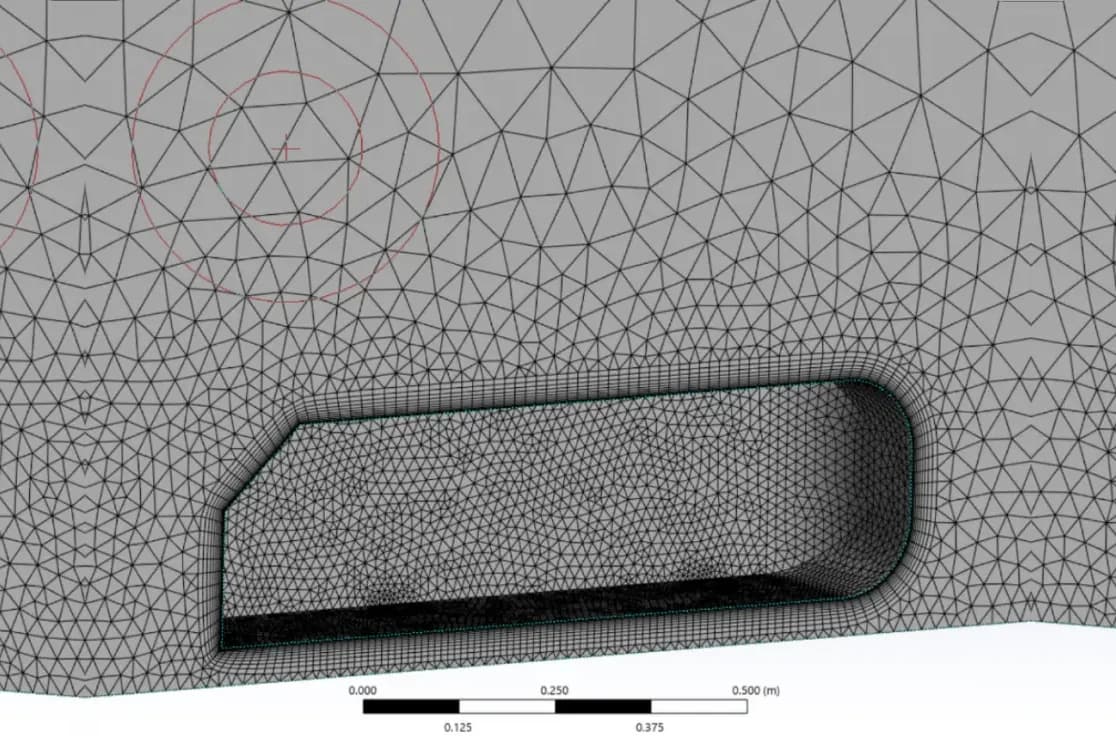
| Mesh | Hex-dominant | Refined near the connectors and diffusers |
Results: velocity, pressure and turbulence
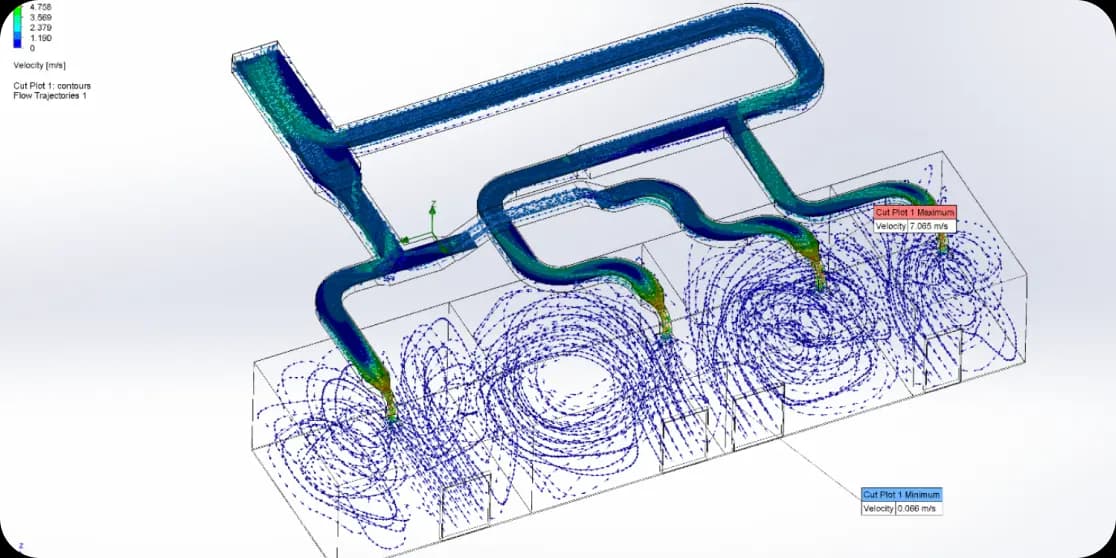
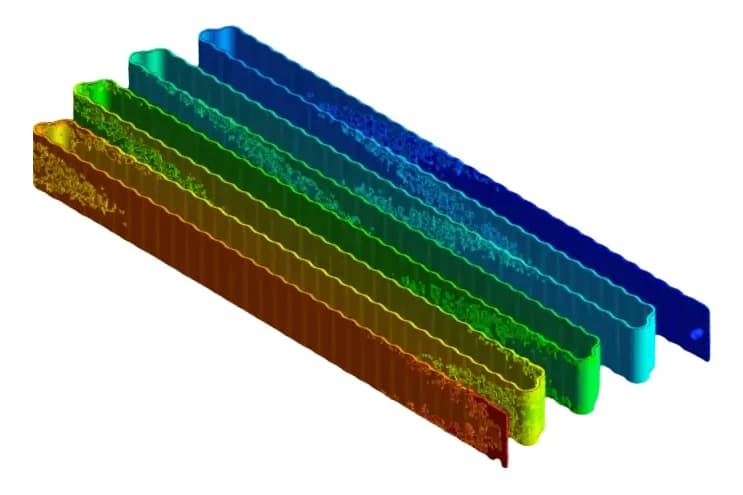
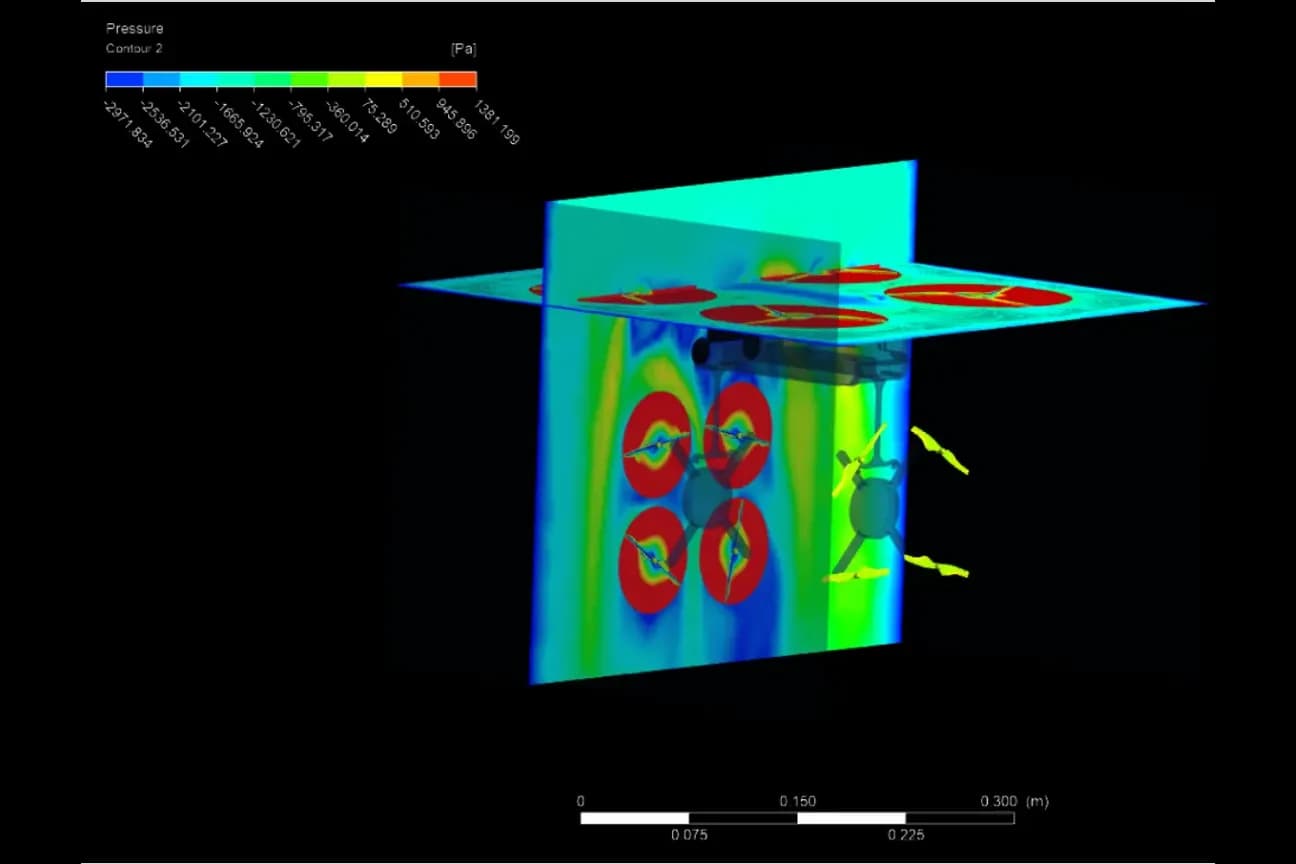
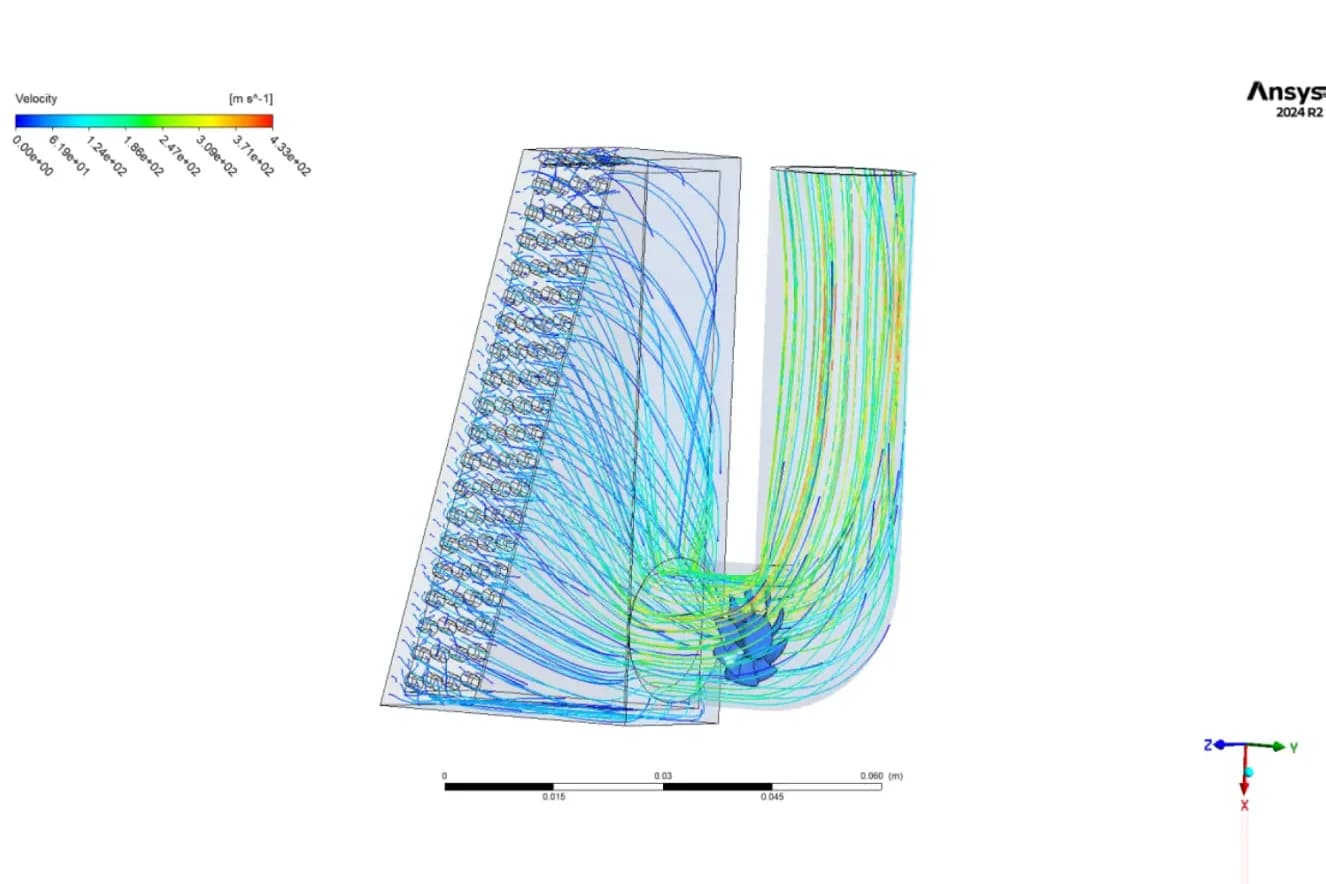
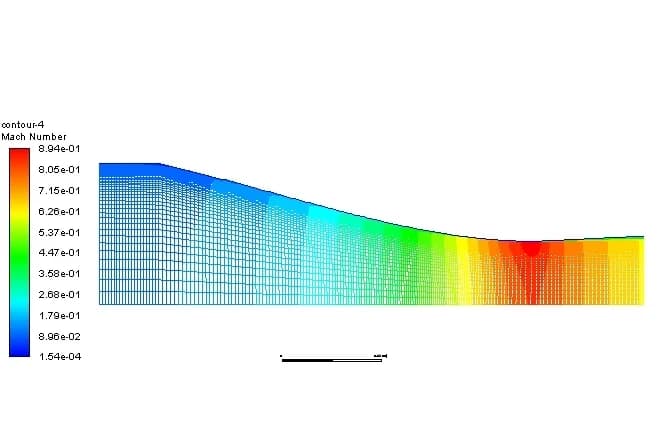
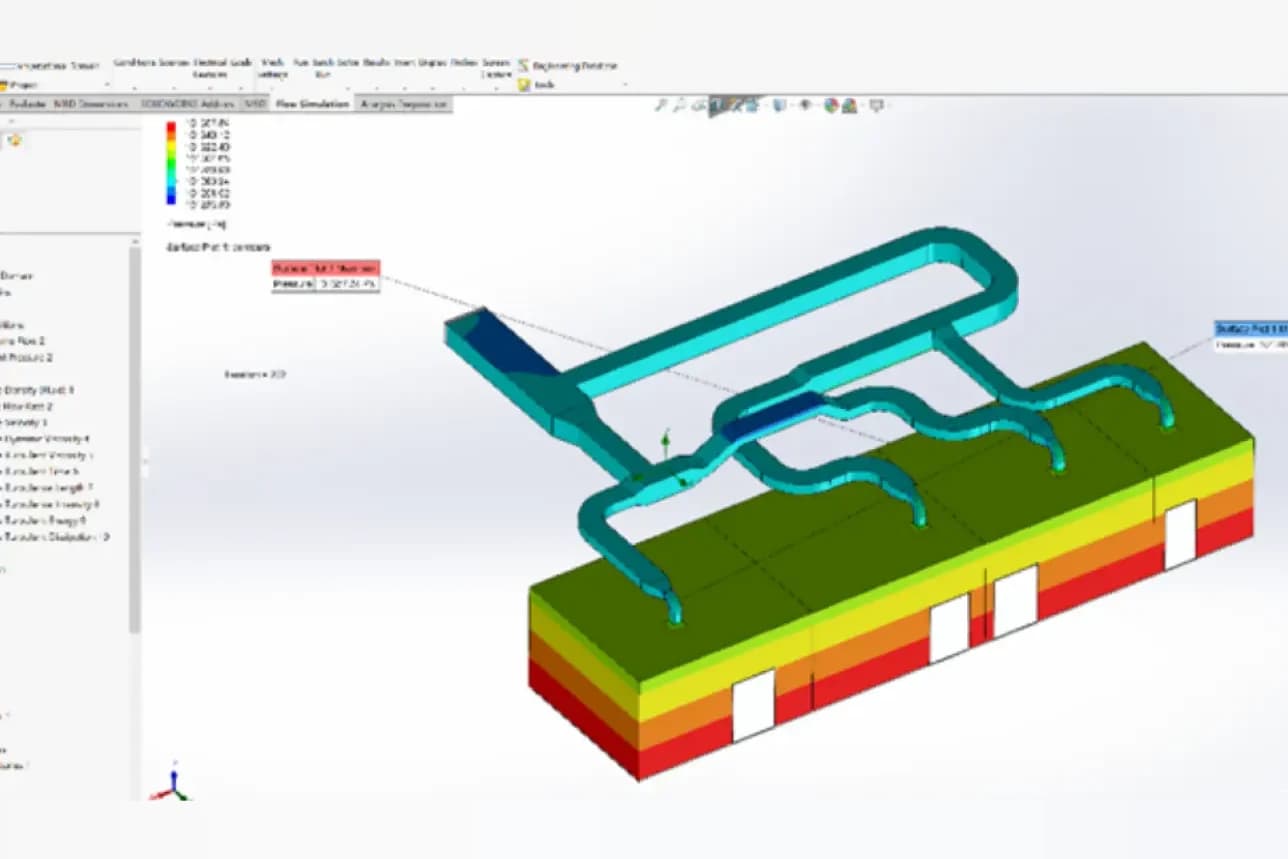
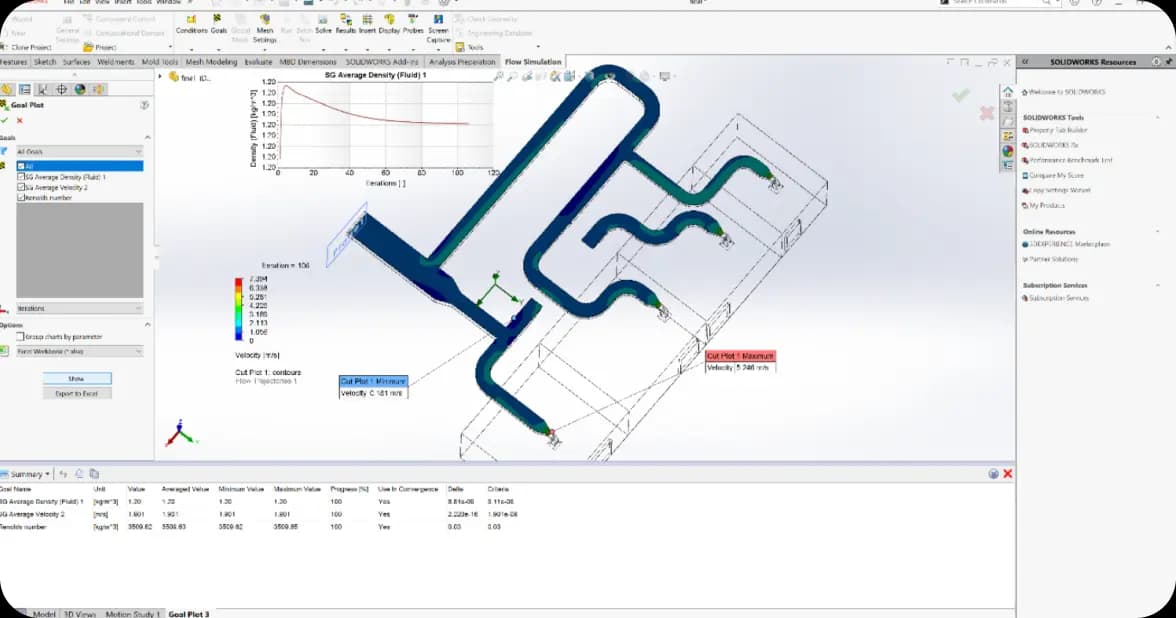
The pressure contours showed a moderate pressure drop from the inlet to the diffuser outlets. The duct system pulls air through the network with little resistance and good flow continuity, with no significant losses that would compromise the ventilation.
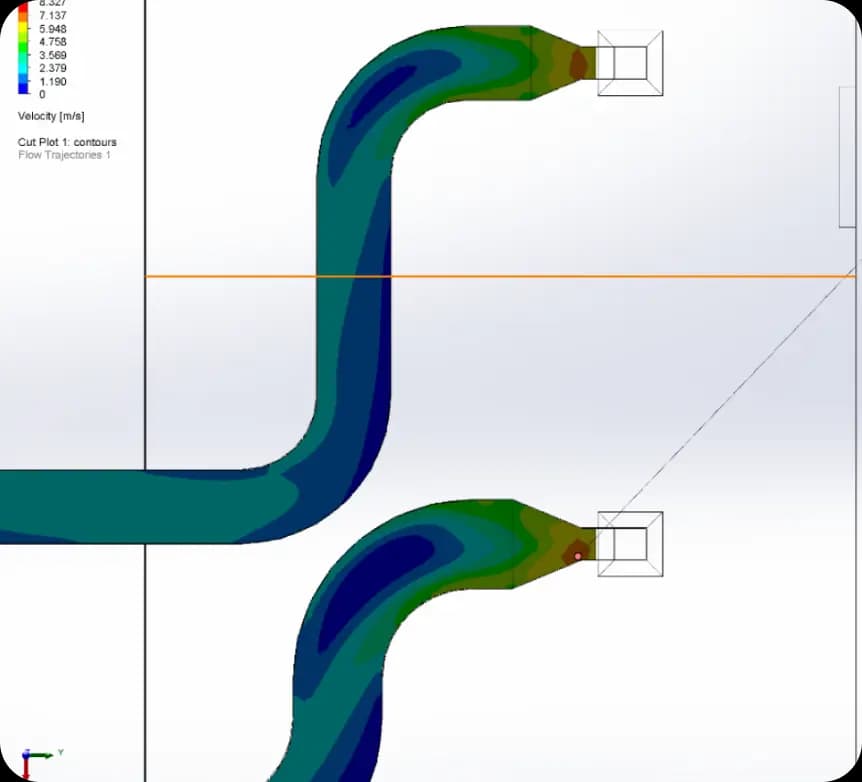
The turbulence analysis found localised turbulence in the small connector ducts between the main duct and the diffusers. Their reduced cross-sections and sharp bends disrupt the otherwise smooth airflow and create areas of chaotic flow.

Recommended improvements
Three changes would make the airflow smoother and more evenly distributed:
Why CFD matters for warehouse ventilation
The simulation showed that natural ventilation in a warehouse can be improved significantly by changing the duct geometry, the diffuser placement and the airflow paths. It gave a clear roadmap for reducing turbulence, maximising natural flow and distributing air better without relying entirely on powered HVAC equipment, which matters for energy efficiency, regulatory compliance and worker comfort.
Frequently asked questions
How can CFD improve natural ventilation in a warehouse?
CFD shows where the air goes and where it doesn't: in this study it found stagnation near the lower rear of the warehouse and turbulence in the small connector ducts, and pointed to duct, diffuser and inlet changes that distribute the air more evenly.
Where did the airflow problems occur?
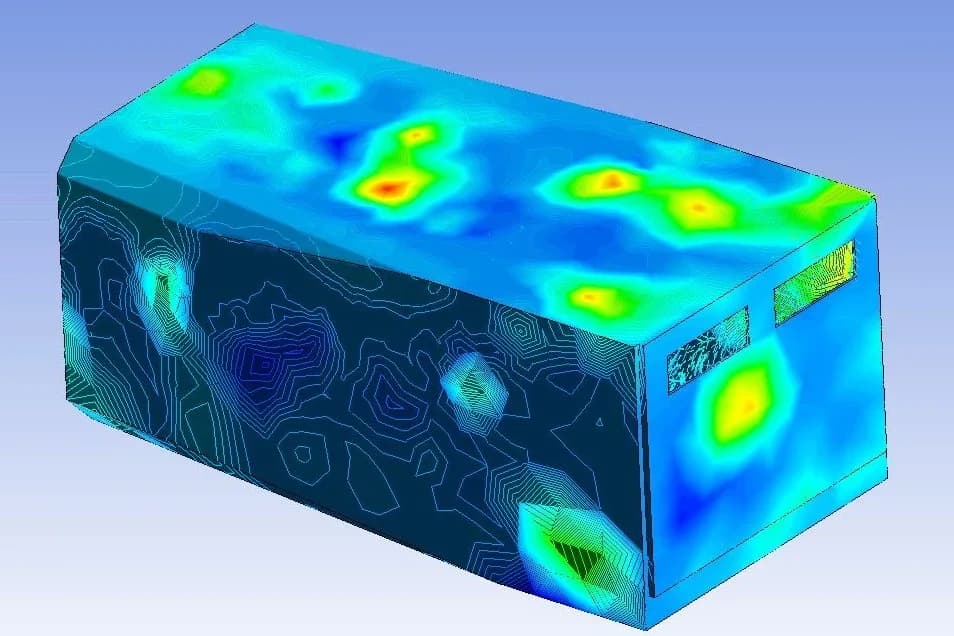
Stagnant air collected near the lower rear end of the warehouse, and localised turbulence formed in the small connector ducts between the main duct and the diffusers, caused by their reduced cross-sections and sharp bends.
How fast was the air moving?
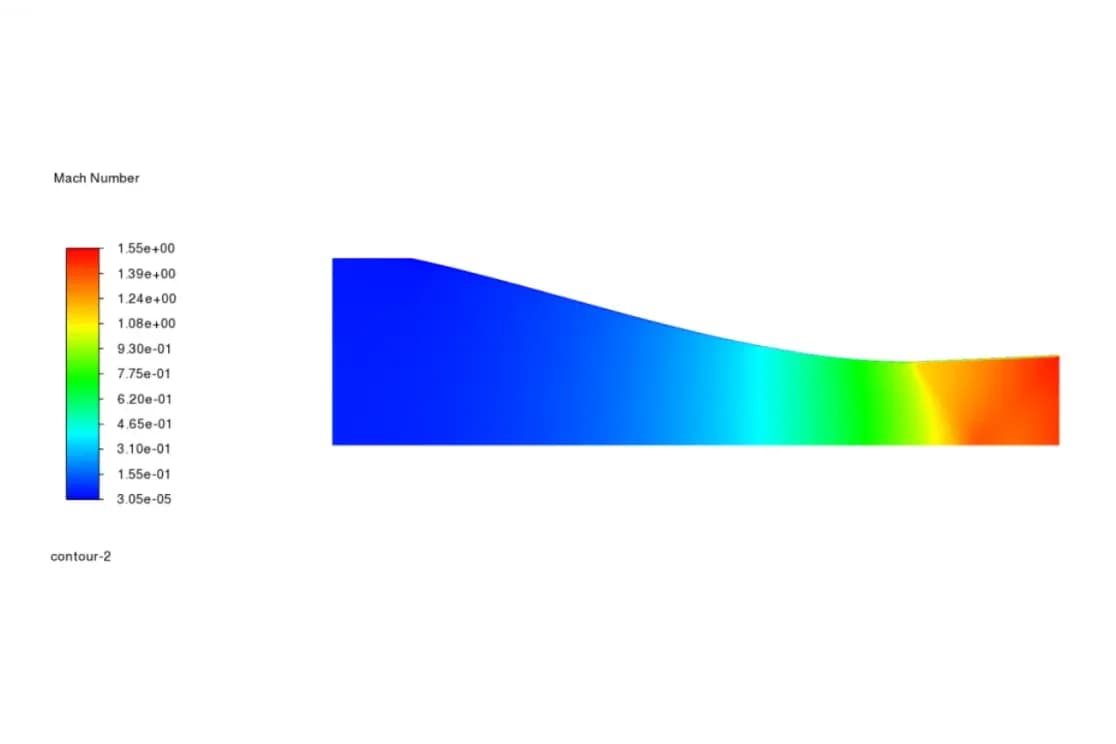
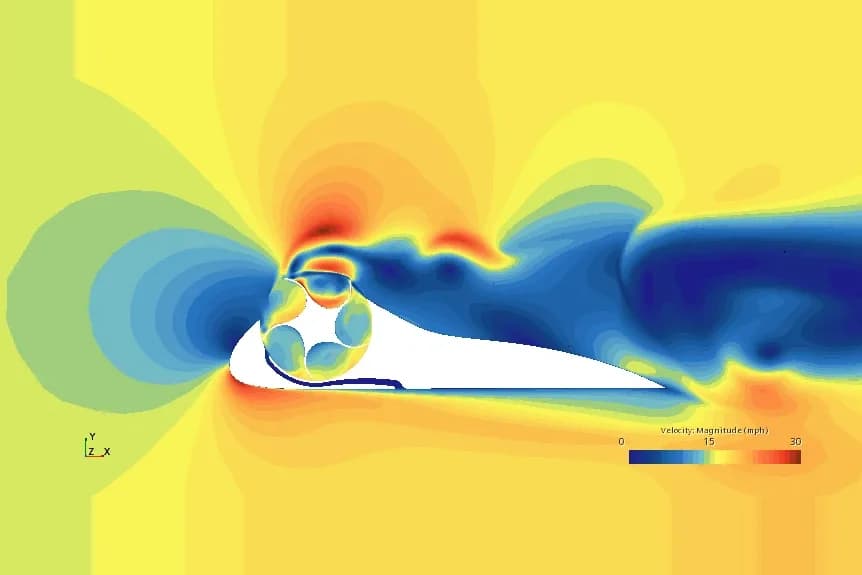
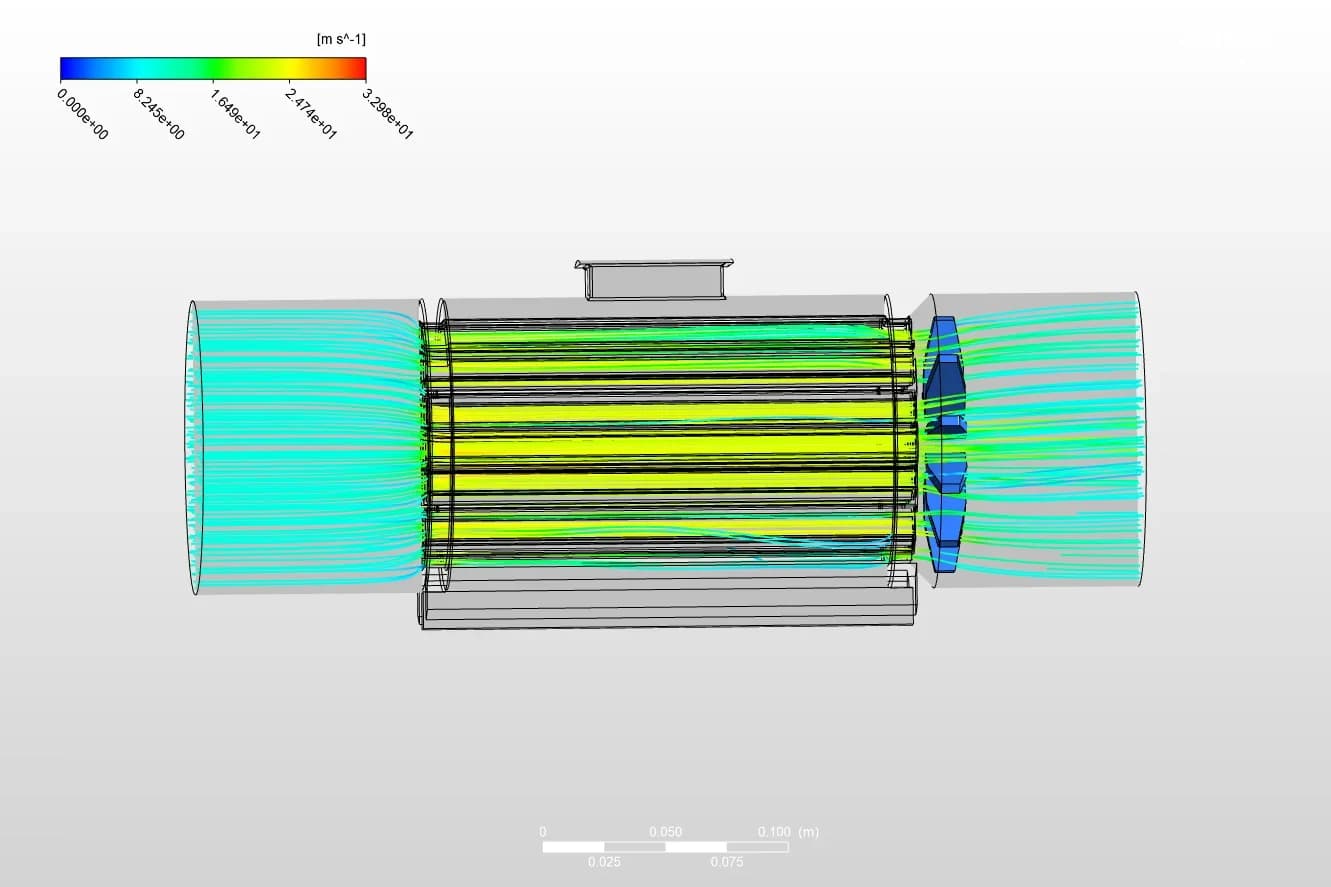
The maximum air velocity was 6.8 m/s, near the diffuser outlets. The slowest air was at the duct junctions and in the far-field regions of the warehouse.
What changes were recommended?
Flexible connector ducts with a larger hydraulic diameter, a better diffuser orientation and outlet shape, and more air inlets at strategic points to improve cross-ventilation.