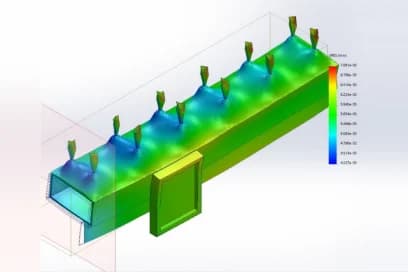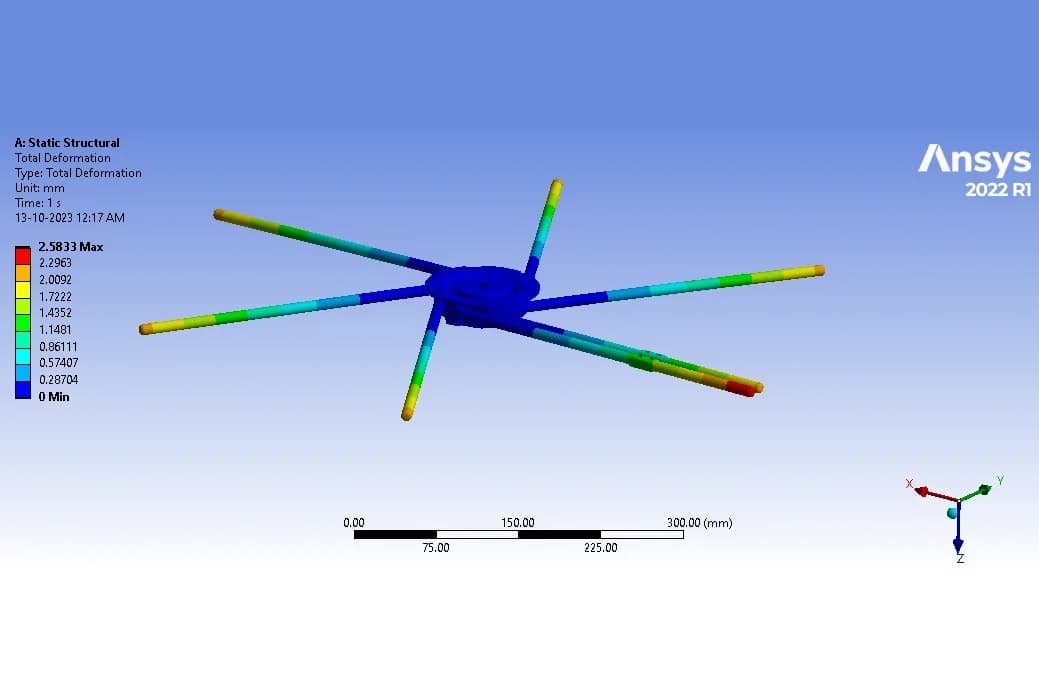
Clear, accurate FEA results that turn complex engineering problems into confident design decisions.

Our FEA consulting engineers predict how your parts and assemblies will behave under real loads before anything is machined, moulded or tested. Using finite element analysis we calculate stresses, deflections, natural frequencies, temperatures and fatigue life, show where a design is weak, and tell you exactly what to change.
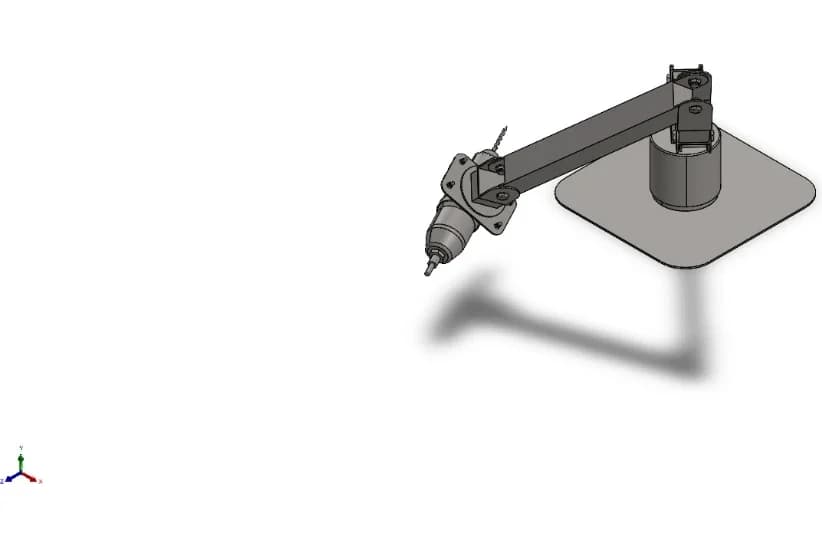
We analyse single components and complete assemblies: brackets, frames and fixtures, bolted flanges and pressure equipment, plastic and composite parts, battery enclosures, robotic arms and satellite structures. A linear static check is often enough, and when the physics demands more we model contact, bolt pretension, plasticity, large deformation, impact and coupled thermal and structural loading.
Every result is checked before it reaches you, with mesh convergence studies, hand calculations and, where available, comparison with test data. You receive a clear report with stress plots, safety factors and practical design recommendations, plus the model files if you want them, so your team can act on the findings with confidence.

Many projects need design and simulation together, and you can keep both with one team.
Computational Fluid Dynamics - CFDOur CFD services show how air, water and heat move through your design, so you can make it more efficient and reliable.Explore the service
3D CAD ModelingOur CAD services turn concepts into precise 3D models and drawings, ready for simulation and manufacturing.Explore the serviceWe've completed hundreds of FEA projects across industries. These are the analyses clients ask us for most, and what each one tells you.

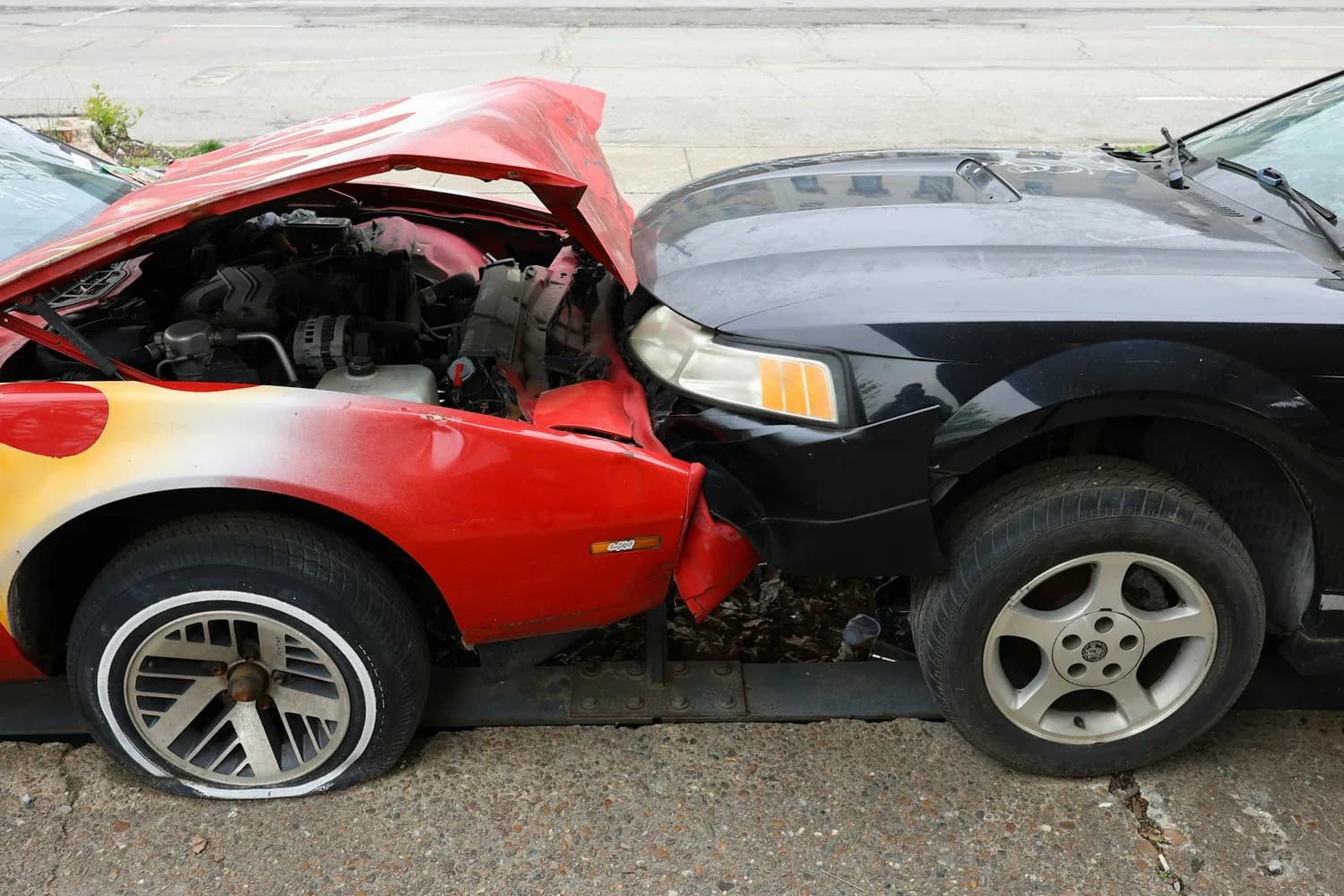
Explicit crash and impact simulations in LS-DYNA and Ansys Explicit Dynamics that track how a structure crumples, absorbs energy and protects what is inside.

Changing wall thickness, ribs, fillets and materials step by step to remove weight and cost while keeping stress and deflection within your limits.

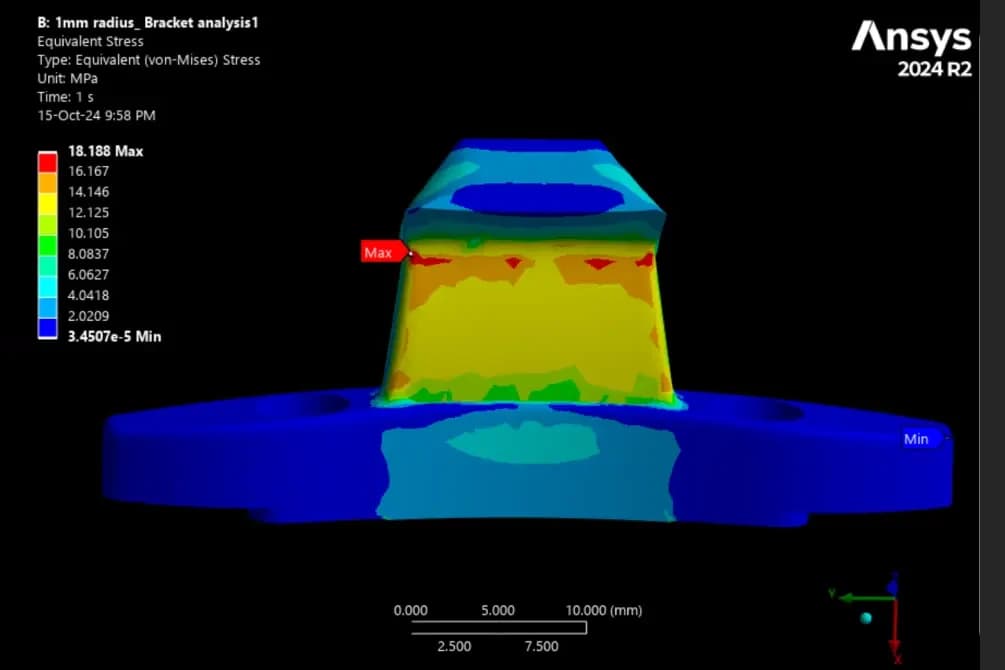
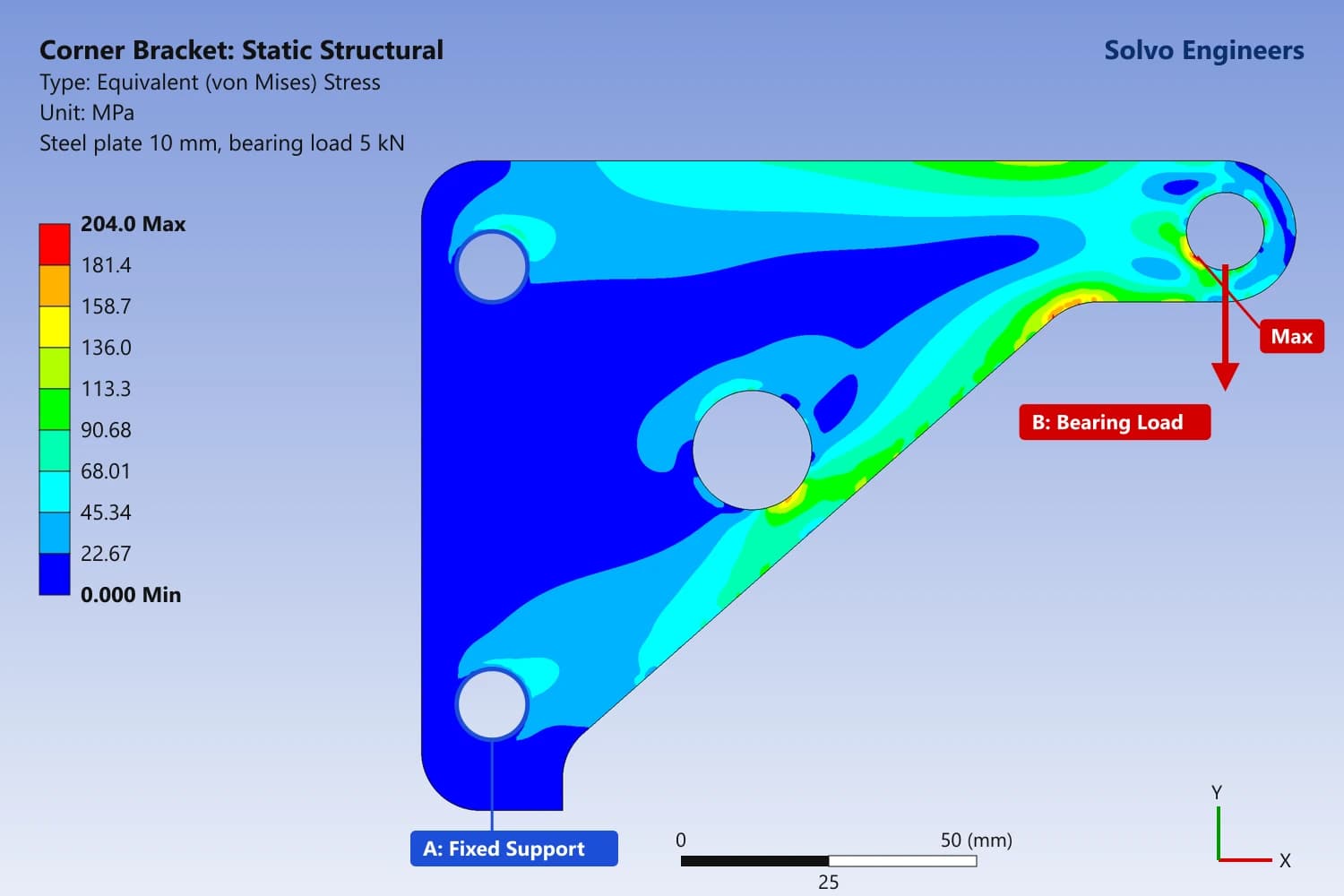
Von Mises and principal stresses, stress concentrations at holes, fillets, welds and contacts, and safety factors against yield and ultimate strength.

Letting the solver find the most efficient material layout for your loads, then turning that result into a smooth shape you can actually manufacture.

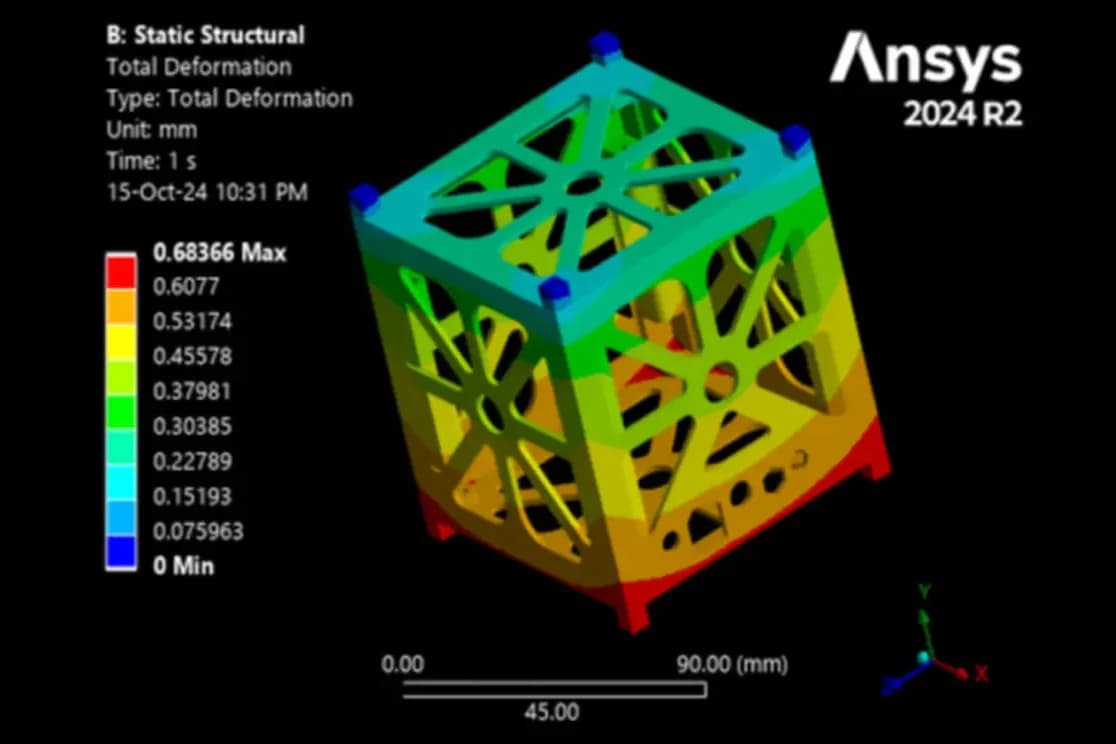
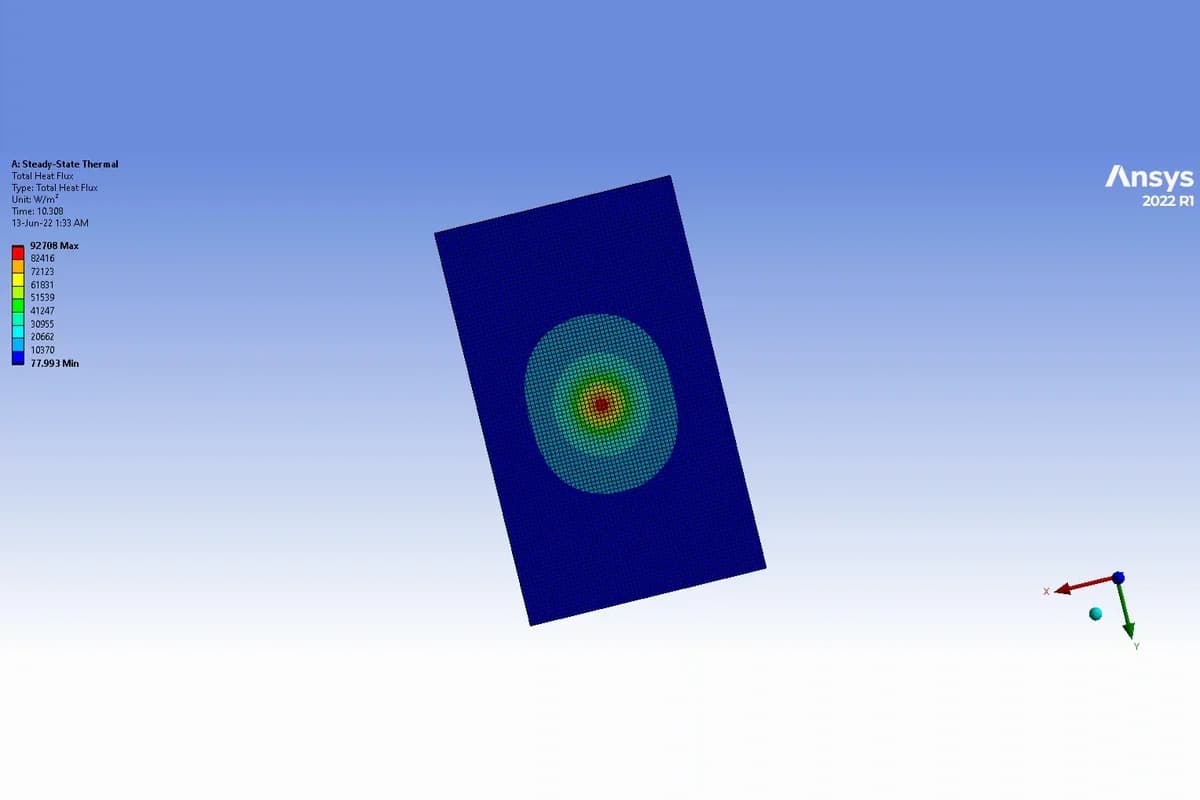
Temperature fields solved first and applied as loads, capturing thermal expansion, gradients and temperature-dependent properties, as in our 1U CubeSat study.

Refining the mesh until the answer stops changing, so the stresses we report come from the physics rather than from the element size.

Eigenvalue and nonlinear buckling to find the load at which columns, thin walls and shells lose stability, including imperfections where they matter.

Response spectrum analysis of structures, racks and equipment under design earthquake spectra, with combined modal responses and anchor loads.

Virtual drop tests from different heights and angles to see whether housings crack, snap fits release or electronics see damaging shock.

Stress-life and strain-life methods with mean stress correction to predict how many load cycles a part survives under vibration, pressure or thermal cycling.

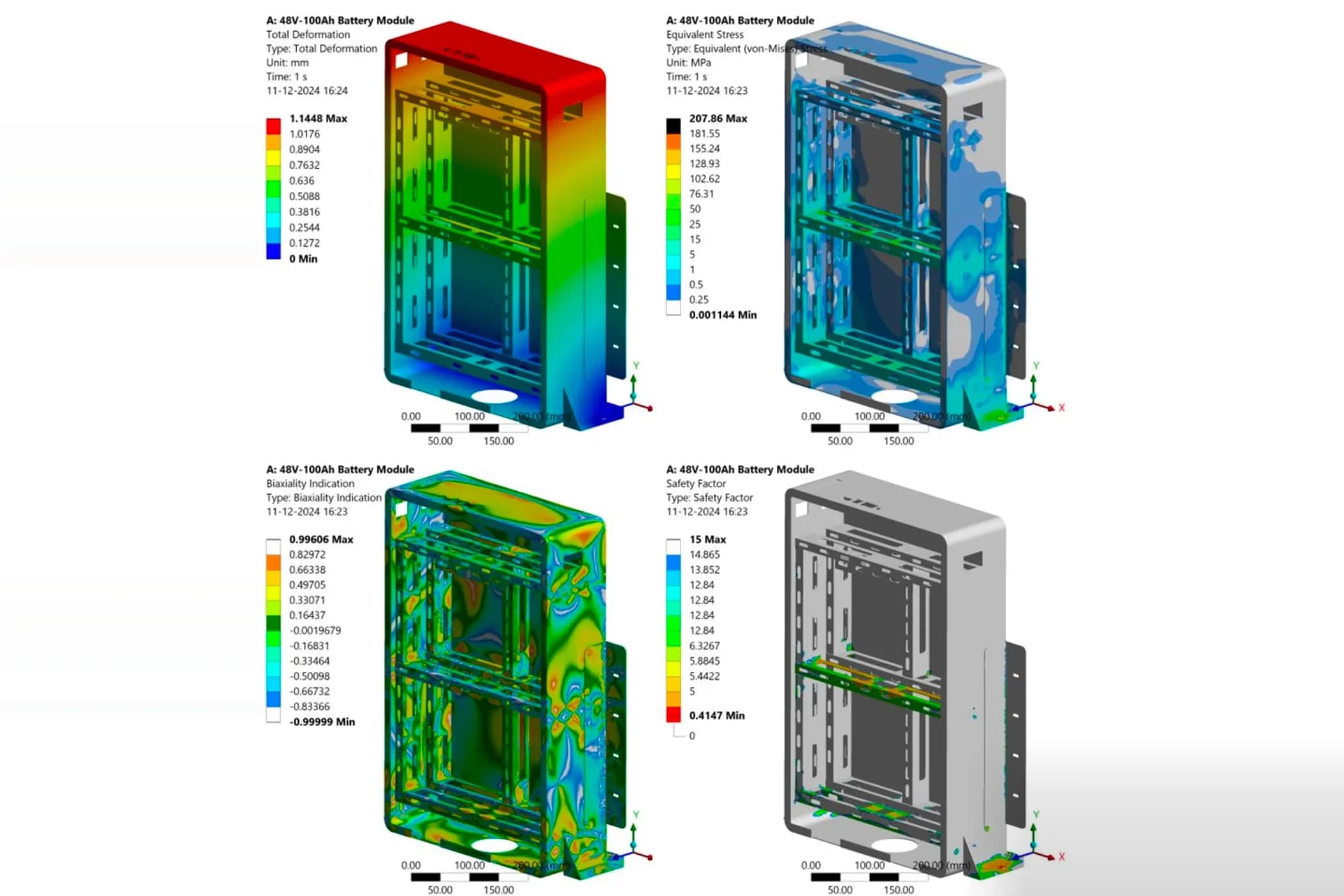
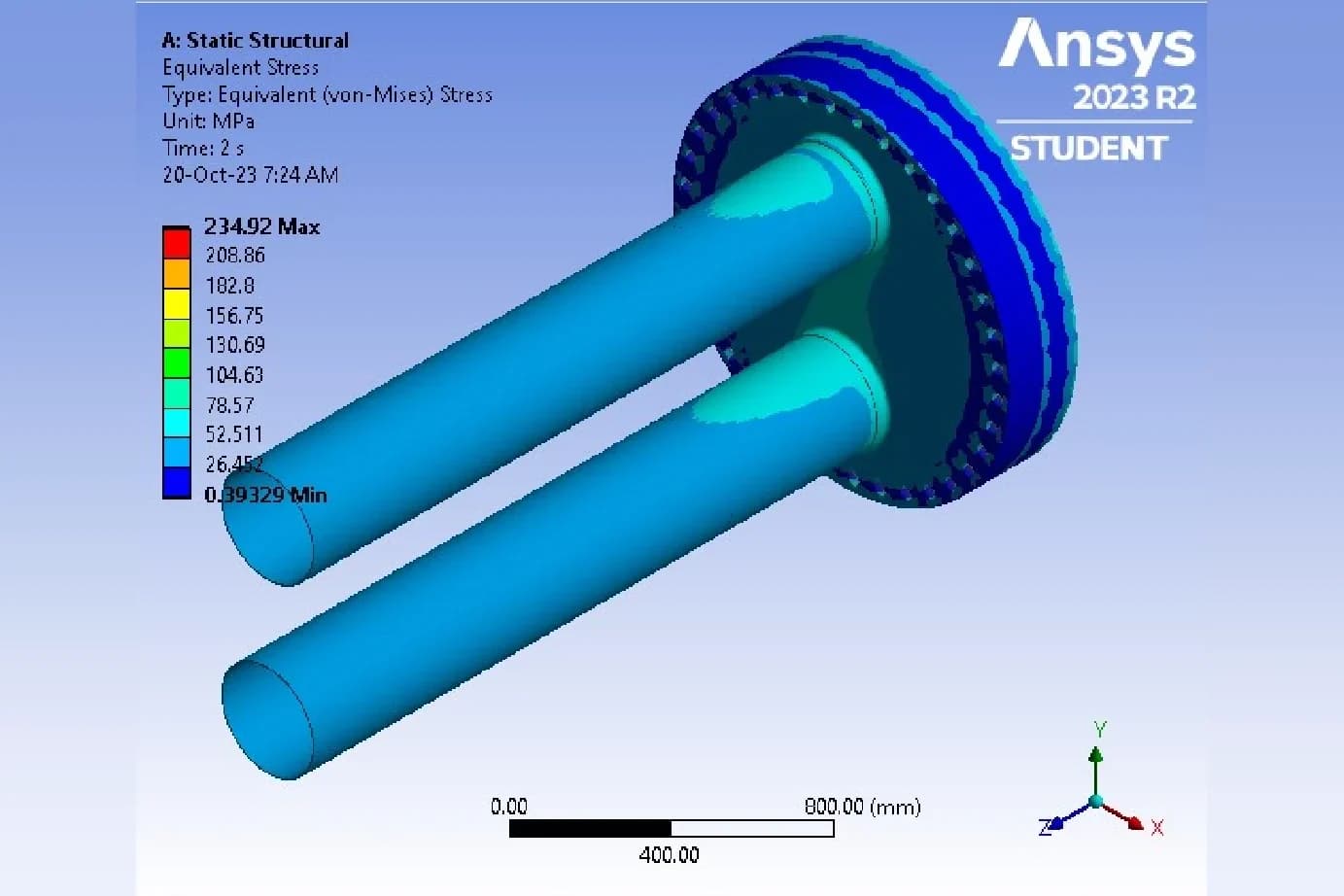
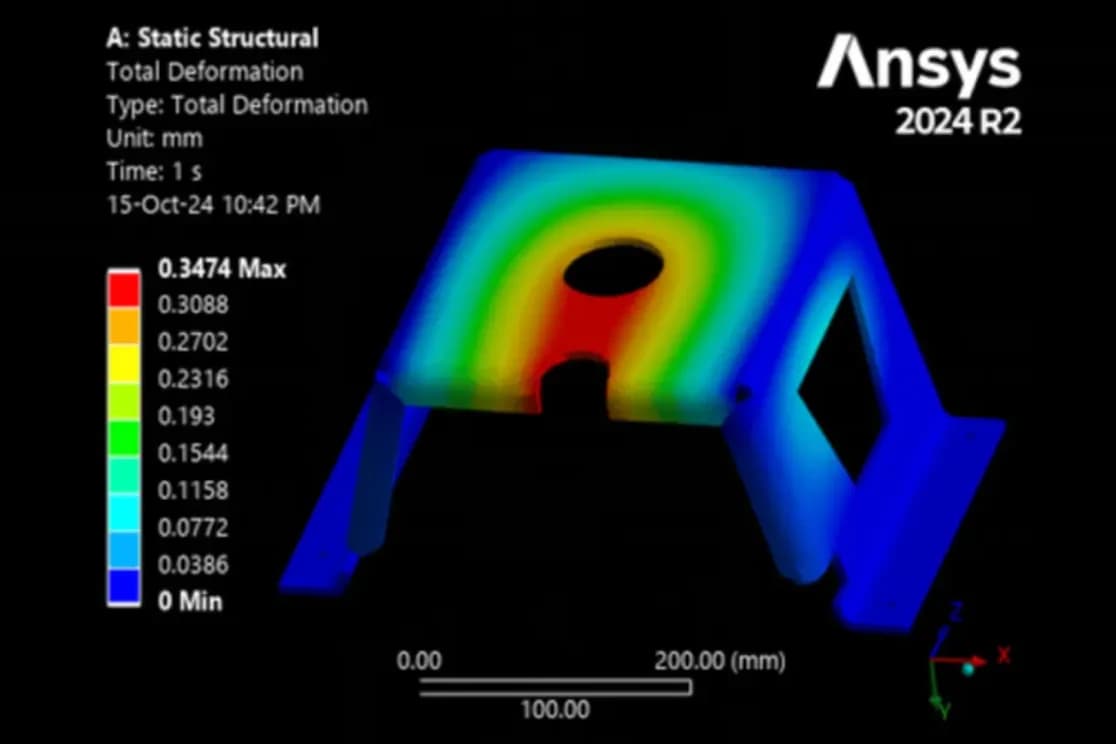
Linear and nonlinear static analysis of parts, frames and assemblies with contact and bolt pretension, as in our bolted flange and battery frame projects.

Natural frequencies and mode shapes that keep resonance away from motor, road or rotor excitation, and the starting point for harmonic and random vibration.
A clear, predictable process from your first message to a report your team can act on.
Send your CAD (STEP, Parasolid or native), the loads, the materials and the question you need answered: will it survive, how long will it last, or how much weight can come out?
We confirm the load cases, acceptance criteria and type of analysis, then send a quote for the work involved. Every project is priced individually after we review your files.
We clean and simplify the geometry, assign real material data and build a mesh refined at the stress hot spots, then confirm it with a convergence check.
Loads and supports are applied the way the part is really used, and results are checked against hand calculations, reaction force balances and test data where available.
You get stress and deformation plots, safety factors, fatigue life where relevant and specific design changes, explained in a review call with your team.
If the design needs to change, we re-run the updated version so you can see the improvement before you build a prototype.
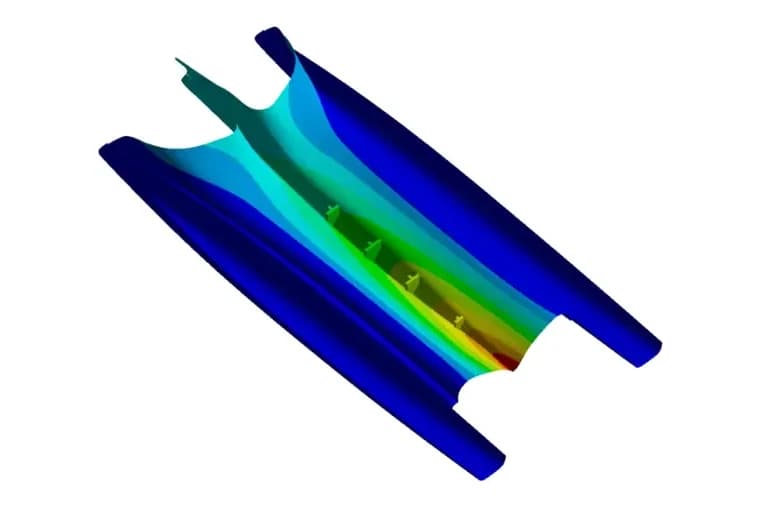
Finite element analysis we have delivered for clients, from catamaran hulls, satellite hardware and battery frames to composite panels, impact events and electric machines.
We choose the solver that suits the physics of your problem.

Static, modal, buckling, fatigue, thermal and coupled thermal-structural analysis in Ansys Workbench.

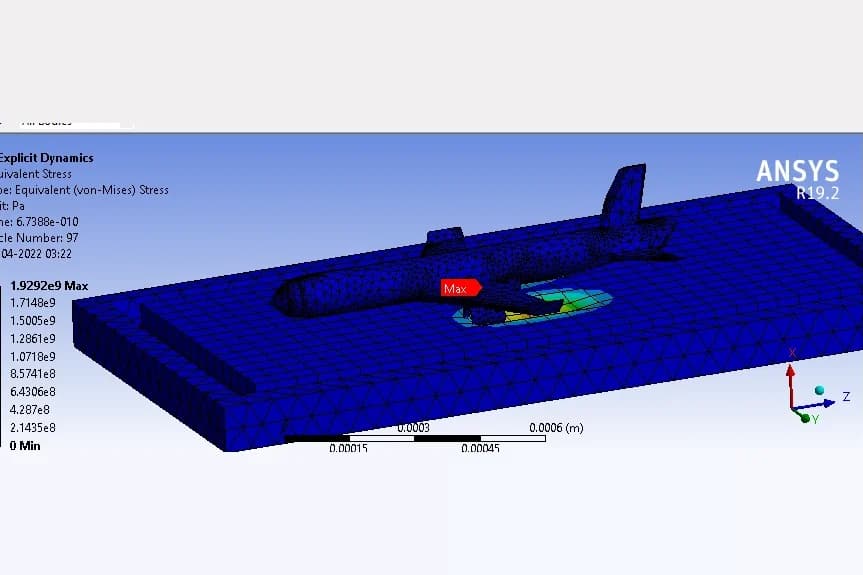
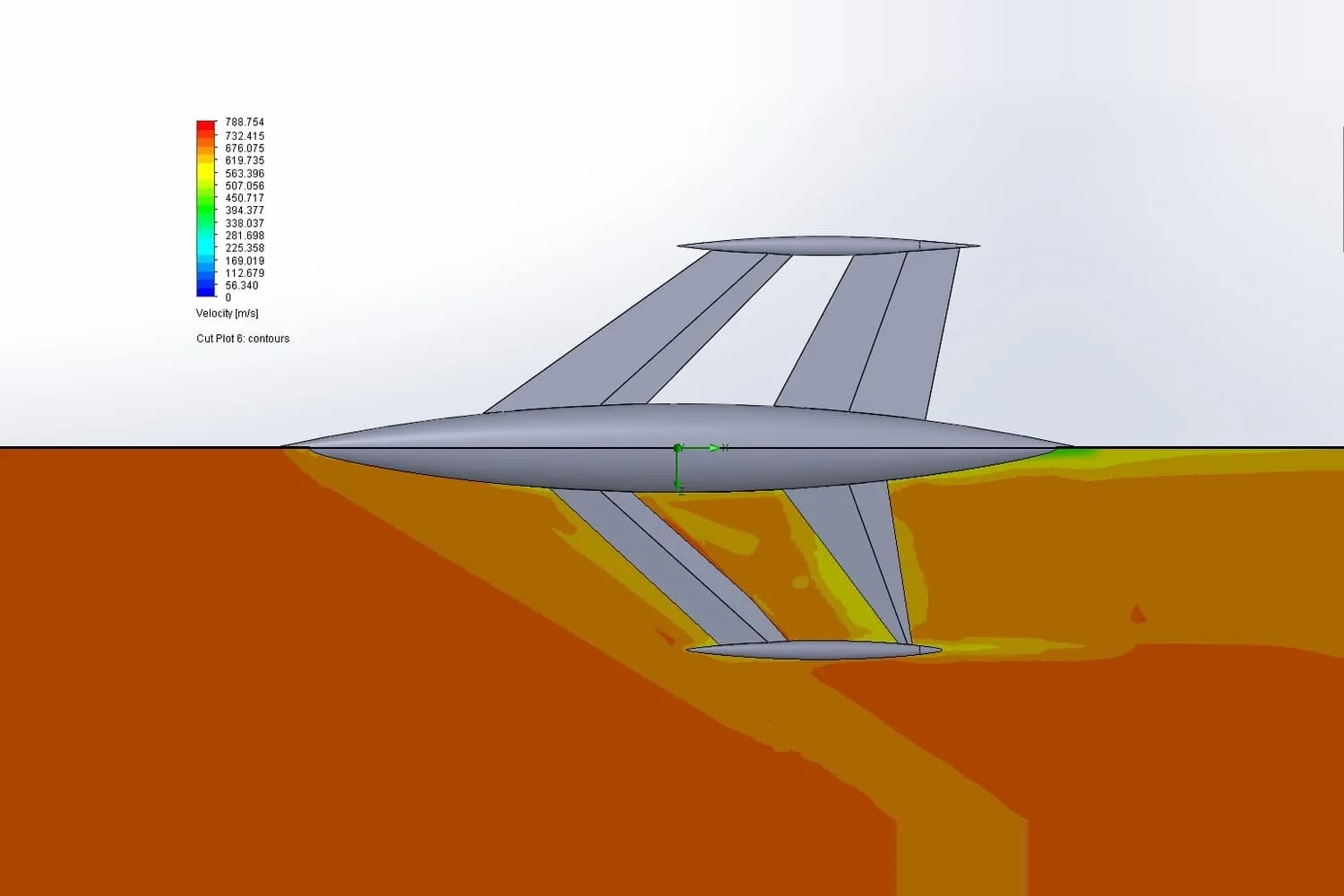
Short, violent events such as impacts and drops with large deformation, as in our aircraft impact on foam study.
Crash, impact and drop simulations with detailed material failure and contact.

Demanding nonlinear problems: rubber and plastics, complex contact and plasticity.

Fast design checks inside the CAD model, used in our industrial fixture project.

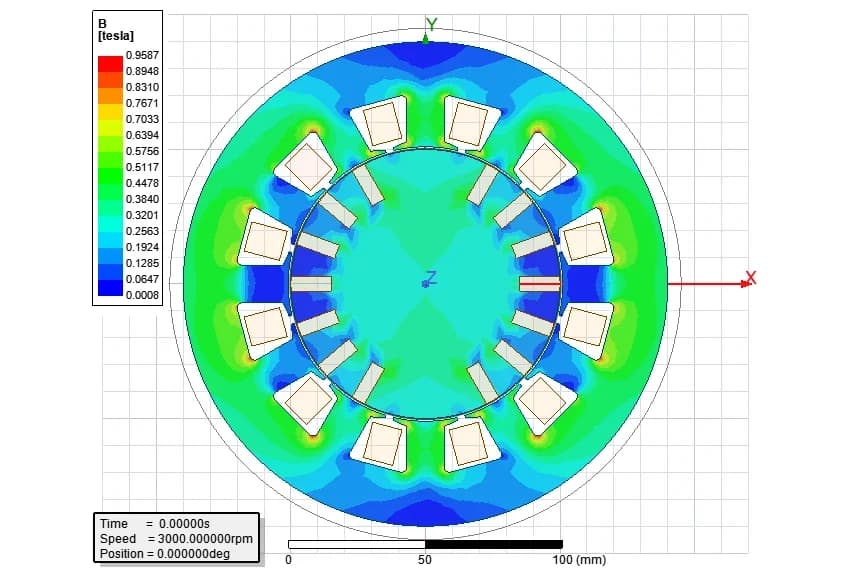
Electromagnetic FEA of motors and generators, as in our synchronous machine study.
At SOLVO Engineers, We Commit To Delivering Innovative, Focused And Personalized
FEA or finite element analysis uses models to simulate how parts handle stress, heat, and motion. FEA simulations predict failure, stiffness, and safety before prototyping, saving time, cost, and risk.
Finite element analysis reveals weak points early, reduces material waste, and speeds iterations. Our FEA analysis guides decisions, improving performance, reliability, and compliance while cutting prototypes, rework, and risk.
FEA simulations uncover stress concentrations, buckling, fatigue life issues, vibration problems, thermal hot spots, contact pressure, and deflection. Finding these early avoids redesigns and delays while improving performance and durability.
Accuracy comes from correct material data, boundary conditions, and mesh quality. We validate models, run sensitivity checks, and compare with test data so FEA results align closely with real behavior.
We run FEA analysis for metals, plastics, rubbers, and composites under static, dynamic, thermal, drop, impact, and fluid loads. Nonlinear contacts and deformations are handled where physics demands it.
You receive a clear report, result plots, design recommendations, and the simulation files. We also provide updated CAD suggestions and review sessions so your team can apply the findings confidently.
Yes. When possible we compare FEA simulations with lab tests, strain measurements, or field data. This feedback loop builds confidence, improves models, and ensures reliable decisions for design and certification.
Absolutely. We use FEA analysis to iterate thickness, ribs, fillets, and materials, and to explore topology options. The goal is lighter, stronger, more manufacturable products that still meet safety targets.
By revealing failure modes and fatigue issues before production, FEA and finite element analysis guide safer designs. Better margins reduce returns, downtime, and warranty exposure while protecting your brand.
At SOLVO Engineers, We Commit To Delivering Innovative, Focused And Personalized
Practical articles on the analyses behind our FEA services.

Read the articleA practical guide to static structural FEA in Ansys Workbench: geometry, materials, contacts, mesh, supports, loads, solving and checking results you can trust.

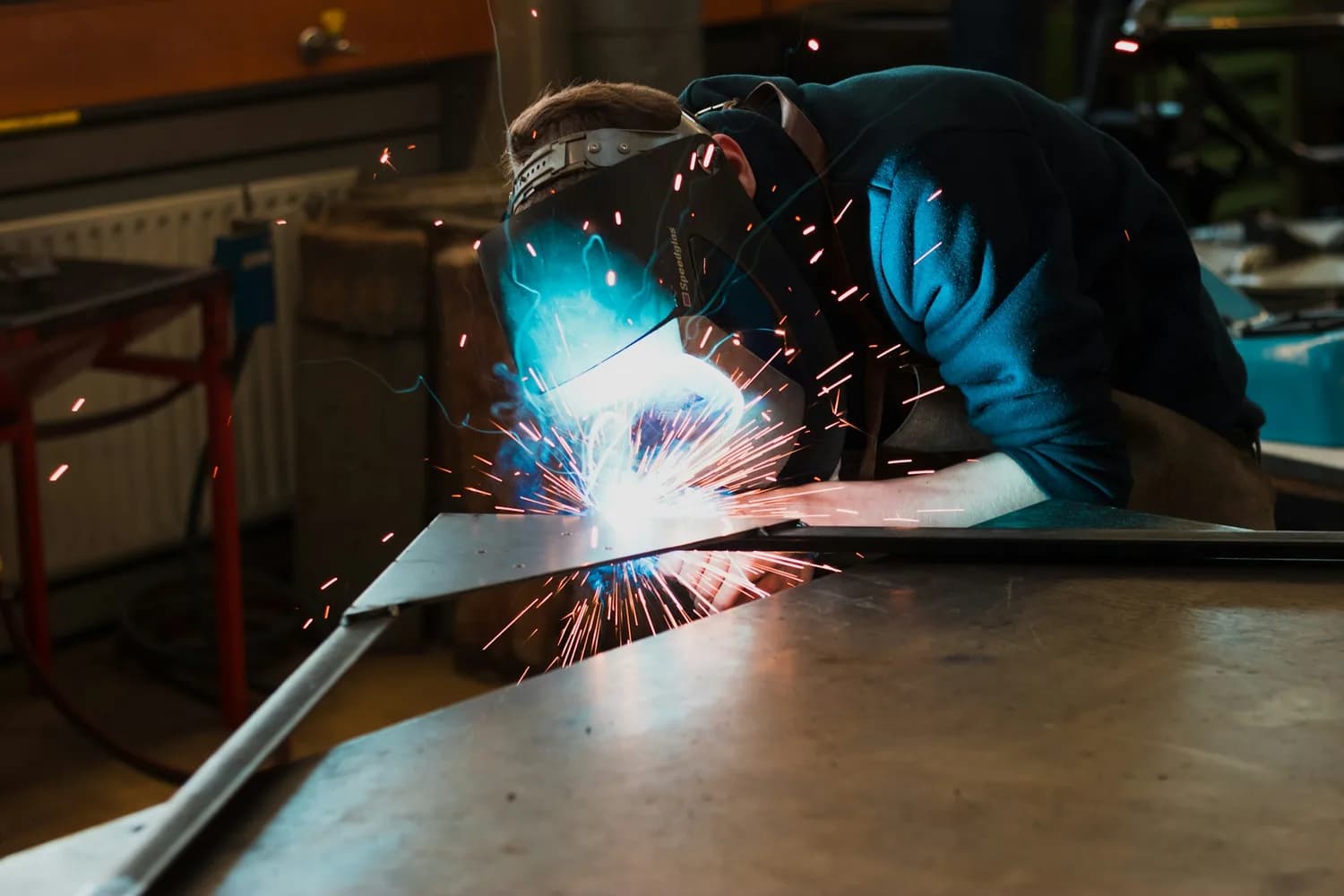
Read the articleWhy welded machine frames crack, how FEA fatigue analysis (hot-spot stress, IIW, Eurocode 3) predicts weld life, and design changes that stop cracks.

Read the articleHow modal, harmonic and random vibration analysis find and fix resonance in machines, motors, pumps and robots, with practical fixes and what you need.

Read the articleHow drop test simulation and FEA help product teams design plastic housings, snap fits and enclosures that survive drops, loads and heat before tooling.

Read the articleHow pressure vessel FEA works under ASME VIII Division 2 Part 5: stress categorisation, elastic-plastic analysis, nozzles, supports, flanges and fatigue.

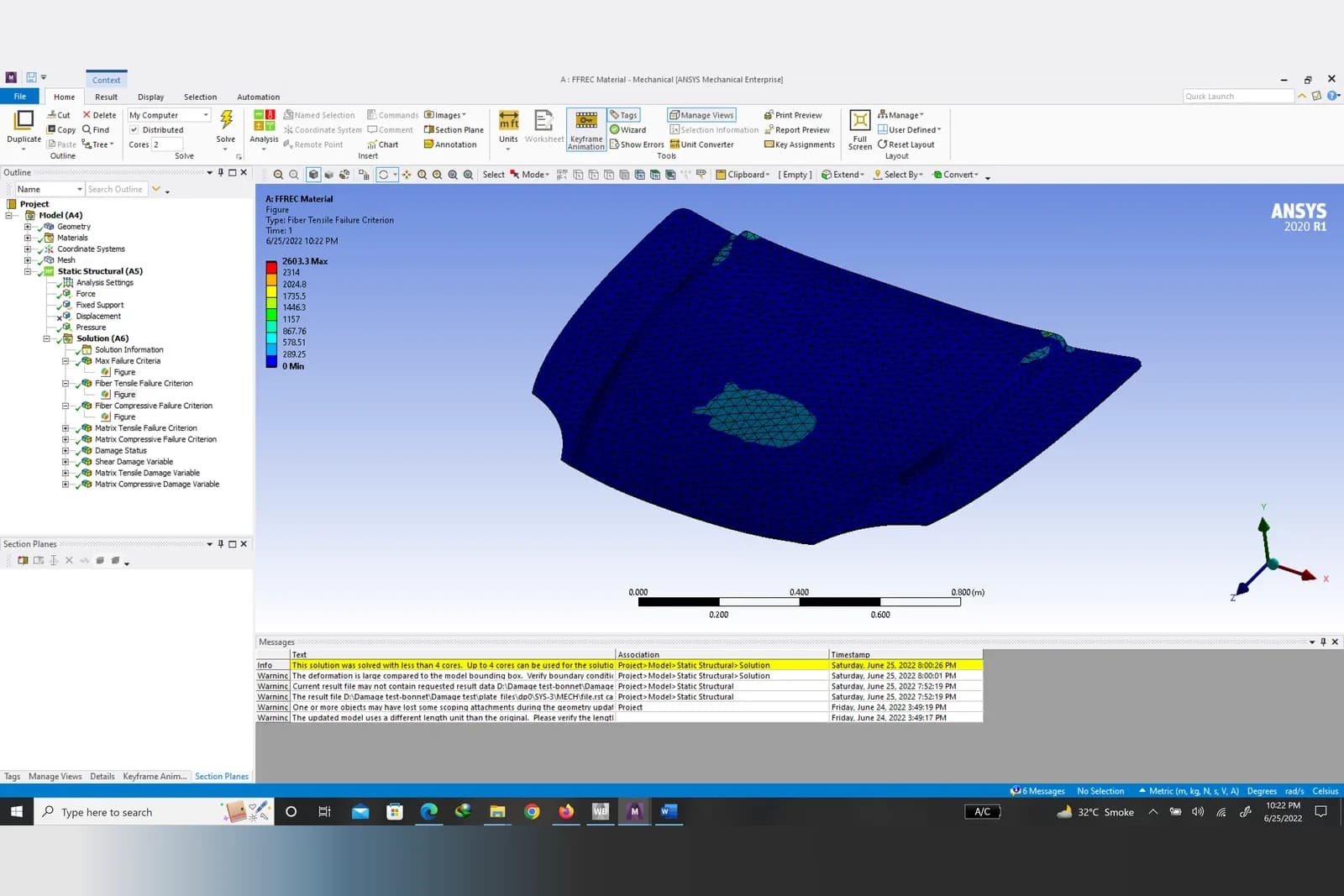
Read the articleHow explicit FEA crash simulation helps make vehicles lighter and safer: crash structures, bonnets and pedestrian safety, composites, plastics and rail.